


20 May How Long Do Padel Balls Last? Lifespan, Pressure & Performance
Most padel balls last between 3 and 7 matches before losing pressure, bounce, and overall performance.
Over time, rallies slow, ball control becomes less consistent, and reduced rebound affects shot accuracy, spin, and overall gameplay quality.
At DEUCE PADEL, we see this regularly across social matches, coaching sessions, and competitive play.
As Rochdale’s new home for indoor padel and one of the largest indoor padel venues in the North-West, we help players enjoy better performance on court with premium facilities, high-quality indoor conditions, and year-round play for all levels.
What Is the Average Lifespan of Padel Balls?
Padel is one of the fastest-growing sports in Europe, with participation rising sharply in recent years.
Participations more than doubled in 2025, according to Survey Solutions.
Most padel balls last between 3 and 7 matches. It depends on playing intensity, court conditions, and storage habits.
- For casual players, a fresh set of balls may stay playable for several sessions before the pressure starts to drop noticeably.
- For competitive players or high-intensity matches, performance decline can happen much faster, sometimes after only one or two matches.
The biggest factor is internal pressure.
When padel balls lose pressure, they do not bounce as high. The game feels slower, and it becomes harder to hit shots with control and accuracy.
Indoor courts help balls last longer because they are not affected by rain, heat, or big changes in temperature.
This is why many players prefer indoor Padel Tennis for reliable play.
Why Do Padel Balls Lose Pressure So Quickly?
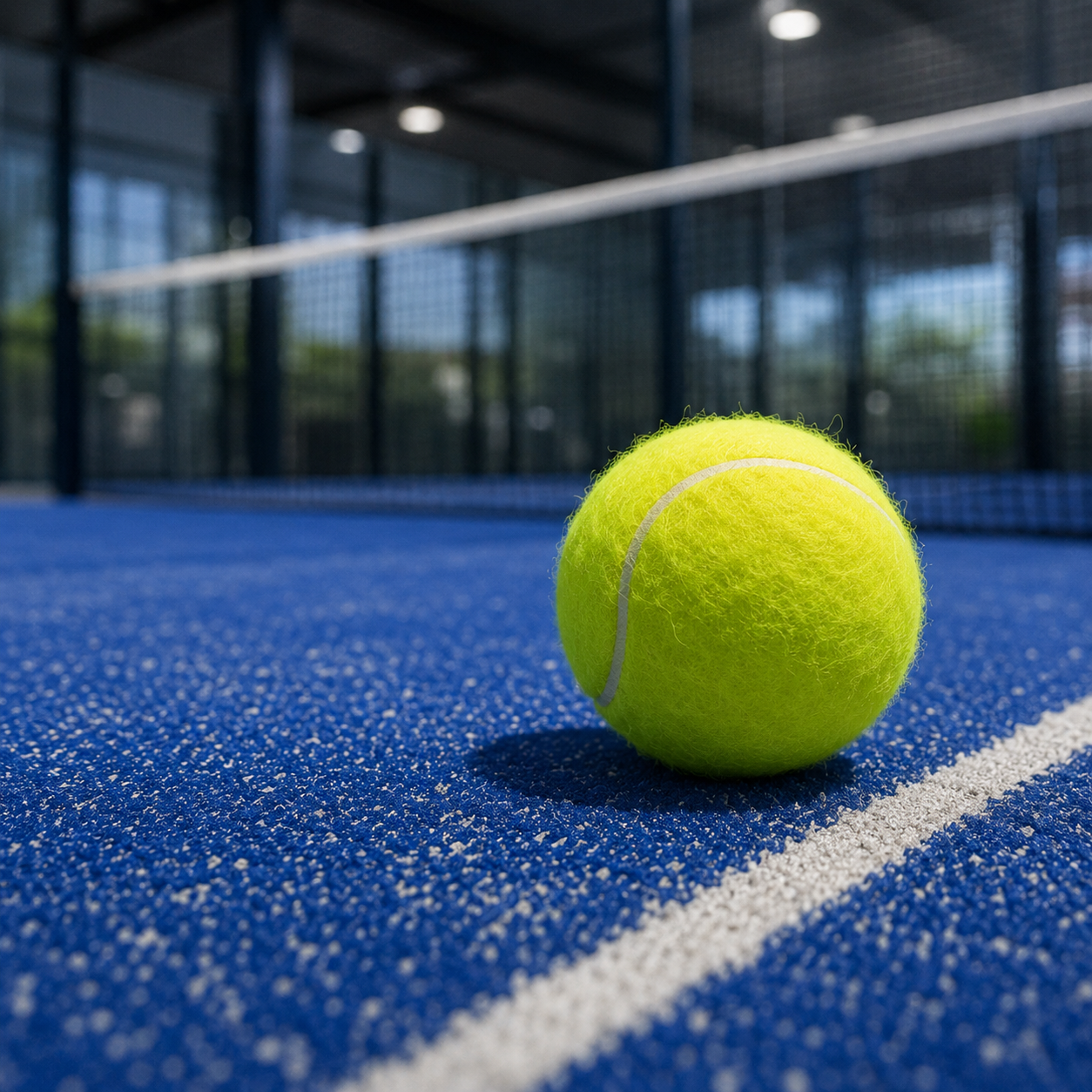
Padel balls are filled with air inside.
This air slowly leaks out and makes the ball lose its bounce and feel less lively.
There are a few main reasons why this happens faster.
1- Match Intensity and Playing Frequency
The more you play, and the harder you hit the ball, the quicker it wears out. Strong smashes, glass rebounds, and long rallies all reduce the pressure inside the ball.
Players who play competitive padel often change balls more often because they need better control, speed, and accuracy during fast games.
2- Court Surface and Playing Environment
Where you play also affects how long padel balls last.
Outdoor courts can expose balls to heat, moisture, and dust. This can make the felt wear out faster and reduce the pressure inside the ball.
Indoor courts are more stable, so balls usually stay in better condition for longer.
Rough court surfaces can also damage the felt more quickly during long rallies.
3- Storage Conditions
How you store your padel balls is also very important.
If you leave them in a hot car, a wet bag, or direct sunlight, they lose pressure faster.
Good storage helps maintain the bounce, control, and overall performance of the balls for longer.
How Can You Tell When Padel Balls Need Replacing?
Many players keep using padel balls until they feel completely flat, but the quality usually drops much earlier.
These are some simple signs that it is time to change them.
1. Lower Bounce and Slower Speed
If the ball stops bouncing as high or the game feels slower, the pressure inside the ball has dropped.
This can affect your timing, defence, and net play.
2. Less Control During Play
Old balls do not behave the same way every time. Lobs may fall short, volleys feel weaker, and spin becomes harder to control.
Many players think it is their technique, but often the ball is the problem.
3. Worn Felt on the Outside
The soft outer layer (felt) helps the ball move and spin properly.
If it looks smooth, thin, or patchy, the ball will not play the same, even if it still bounces a little.
Are Padel Balls Different From Tennis Balls?
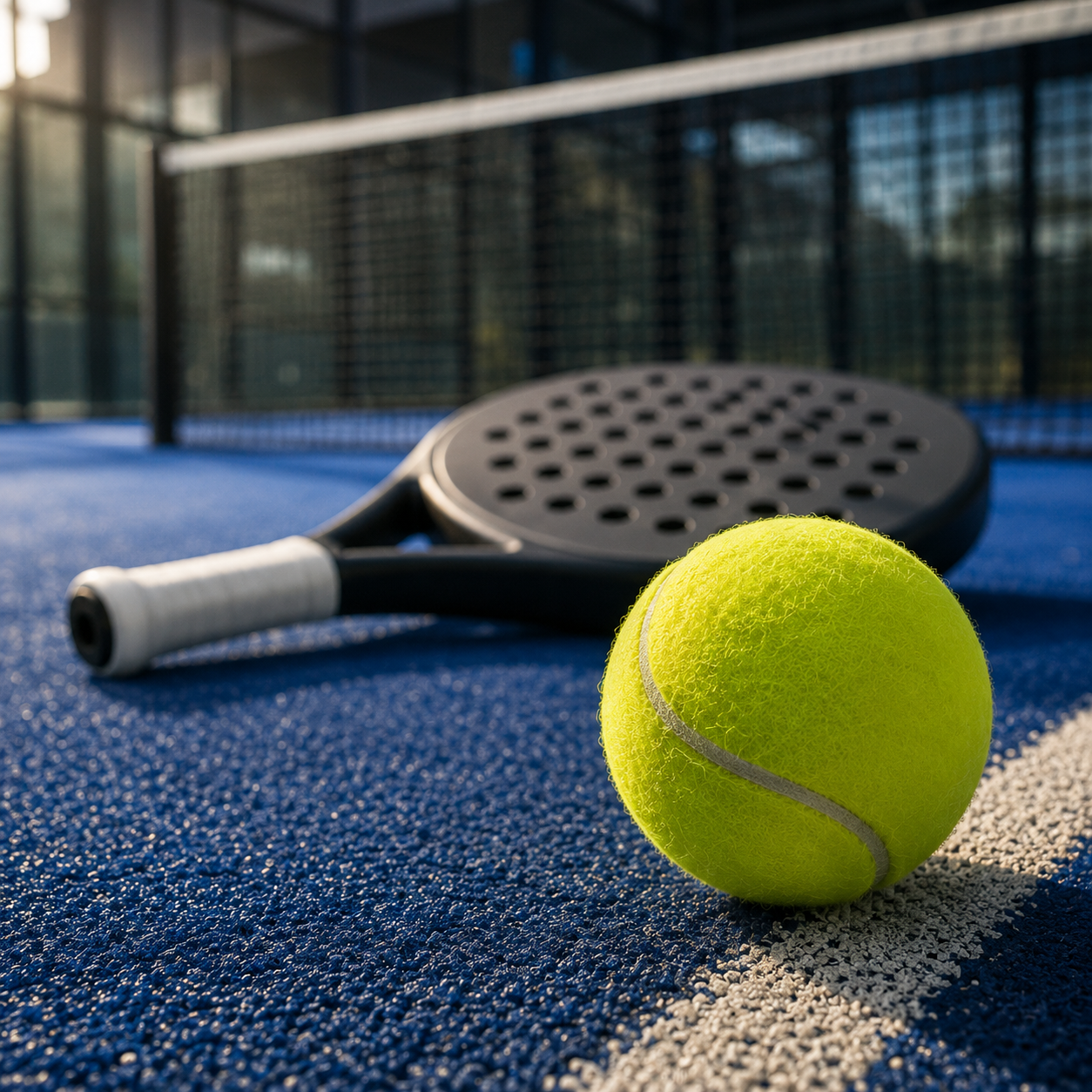
Padel balls and tennis balls may look very similar, but they are not the same.
Padel balls suit the way players play on enclosed courts with glass walls, where control and rebound play a key role in rallies.
Learning to play Padel Tennis helps you understand why equipment like balls behaves differently during matches.
Padel balls have:
- Lower air pressure inside
- Less bounce compared to tennis balls
- A slightly slower speed during rallies
- A design made for controlled play on padel courts
Padel is played on a smaller court with glass walls, so the game is more about control, placement, and smart shots instead of pure power.
That is why proper padel balls are important. They help keep the game balanced and make rallies feel smooth, fair, and consistent.
3 Tips to Make Padel Balls Last Longer
While no ball lasts forever, good habits can extend lifespan and maintain performance for longer.
1- Store Balls Correctly After Every Session
Keep balls in a cool, dry environment away from direct heat or sunlight.
Many regular players also use pressure-maintaining ball containers to slow down pressure loss between matches.
2- Use Indoor Courts When Possible
Indoor padel environments help reduce exposure to moisture and temperature changes, which can preserve ball consistency for longer periods.
This is particularly useful for players who train regularly and want predictable playing conditions year-round.
3- Rotate Balls During Practice
If you play frequently, rotating multiple sets of balls can reduce wear on a single set and maintain better consistency during training sessions.
Do Professional Padel Players Change Balls Frequently?
Yes. In professional padel matches, balls are changed often to keep the game fast, fair, and consistent.
At a high level, even small changes in ball pressure can affect speed, spin, and player reactions.
New balls bounce better and keep rallies quicker and more predictable.
Casual players do not need to change balls as often. But using very old balls can make the game slower and less enjoyable, and it can also affect how well you improve.
Are Pressureless Padel Balls Worth Using?
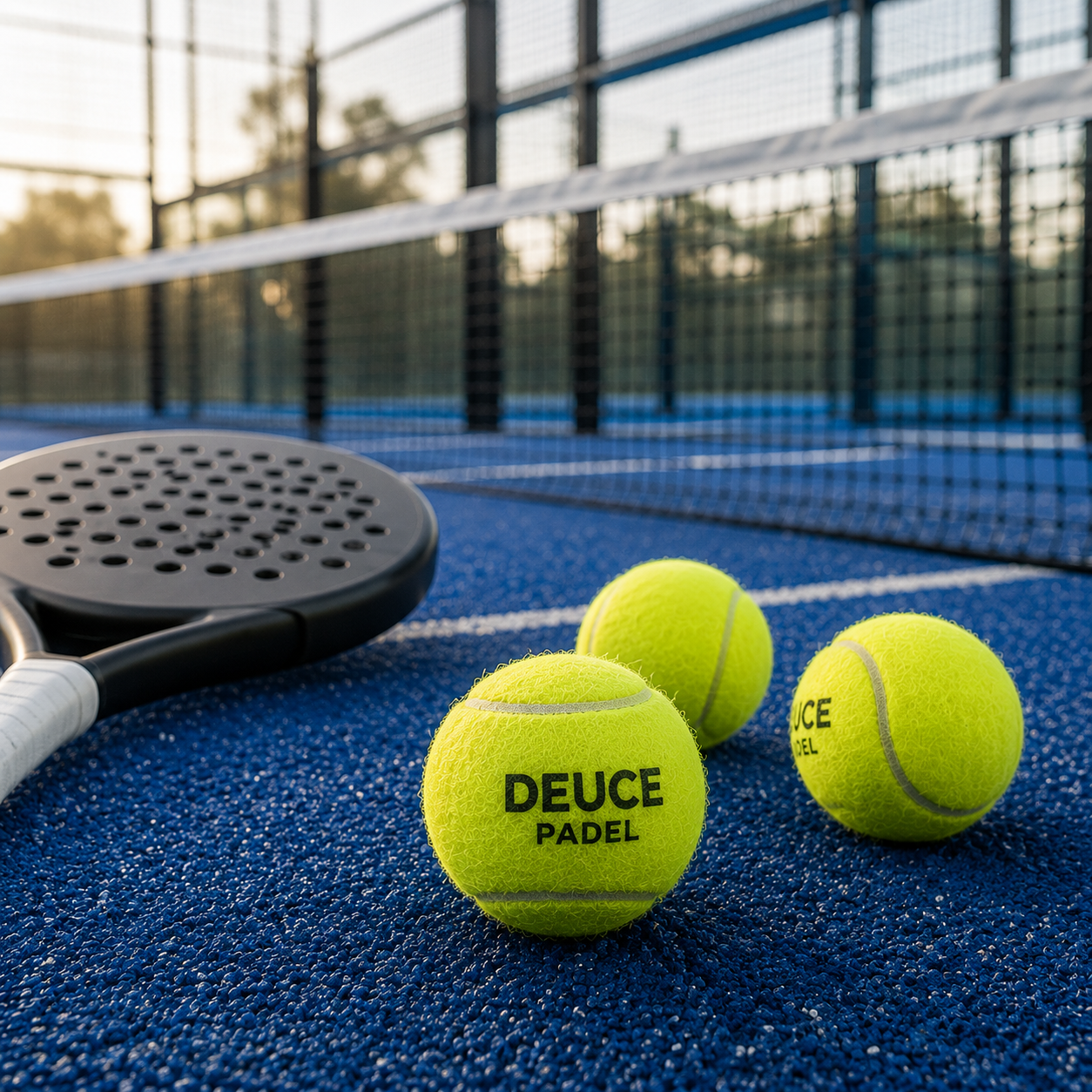
Some brands make pressureless padel balls designed to last much longer than standard pressurised balls.
These balls do not rely on air pressure inside, so they stay usable for a longer time, but they feel different when you play with them.
Pressureless balls are used for:
- Coaching sessions
- Beginner practice
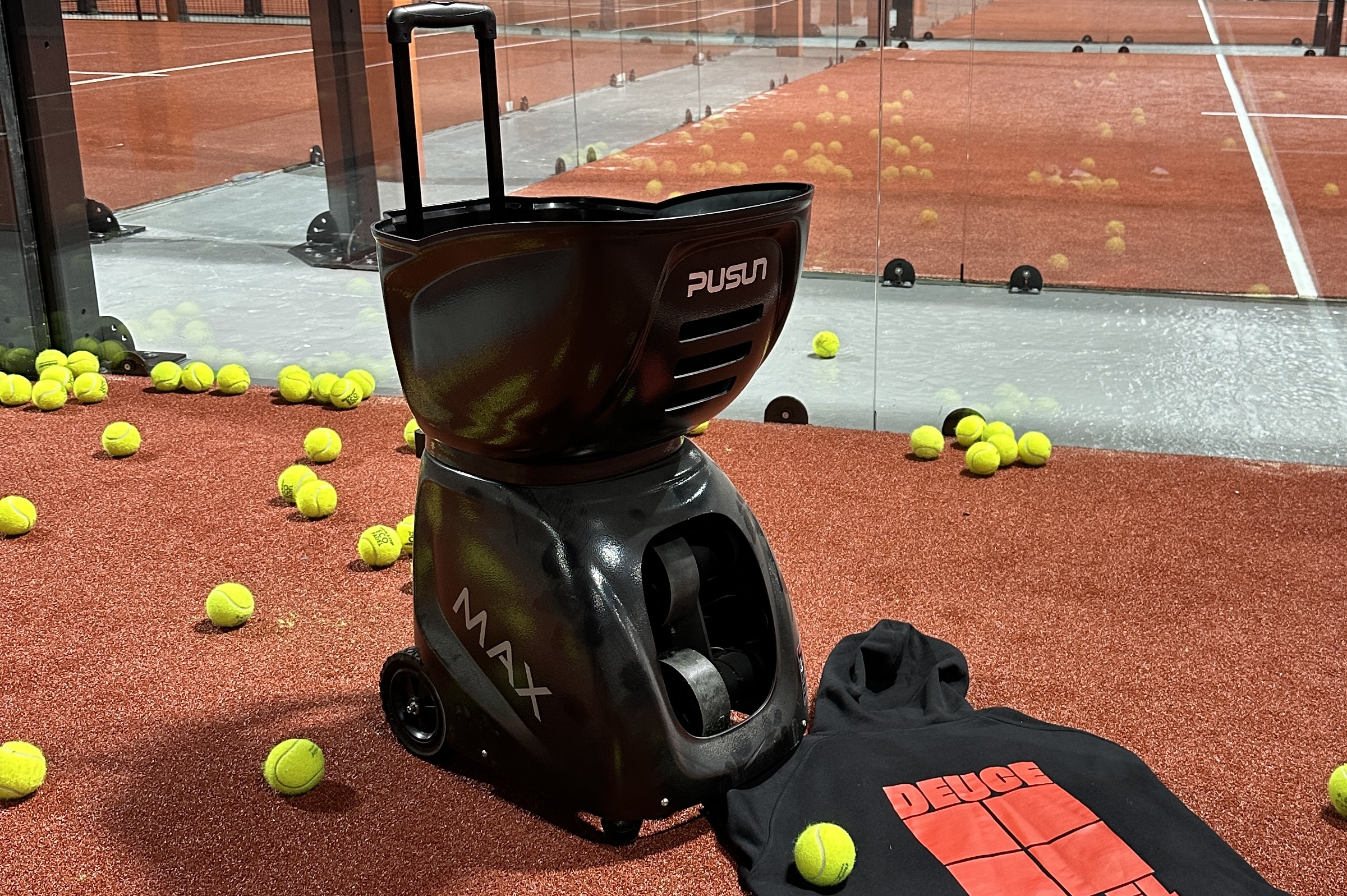
- Ball machine training
- Regular casual play
Even though they last longer, many players still prefer normal padel balls.
Standard pressurised balls feel more natural, bounce better, and more closely match real game conditions.
Does Ball Quality Affect Your Padel Game?
Yes, it makes a big difference.
Fresh, high-quality padel balls help you play better. They bounce properly, move at a steady speed, and feel more consistent in every shot.
Better balls help you with:
- More consistent shots
- Faster and smoother rallies
- More accurate bounce
- Easier spin control
- A better overall playing experience
Old balls can slow the game down and make shots harder to control. This can also affect your timing and make it harder to improve, especially if you are still learning.
Using high-quality balls and playing on well-maintained indoor courts gives you a much better, more enjoyable game.
Play Indoor Padel at DEUCE PADEL Rochdale!
If you want a great indoor padel experience in Rochdale or Manchester, DEUCE PADEL is a top place to play. It offers a simple, comfortable way to enjoy padel all year round.
With nine indoor courts, you can play in any weather and enjoy steady, reliable game conditions. Players of all levels are welcome, whether you are just starting or already experienced.
You can also improve your game, join coaching sessions, or play friendly matches with friends in a relaxed and social setting.
Book your padel court easily through Playtomic and secure your game time at DEUCE PADEL today.

No Comments